How to Knit the Cookie Parade Sweater (Top-Down Colorwork Guide)
How to Knit the Cookie Parade Sweater: Step-by-Step Guide
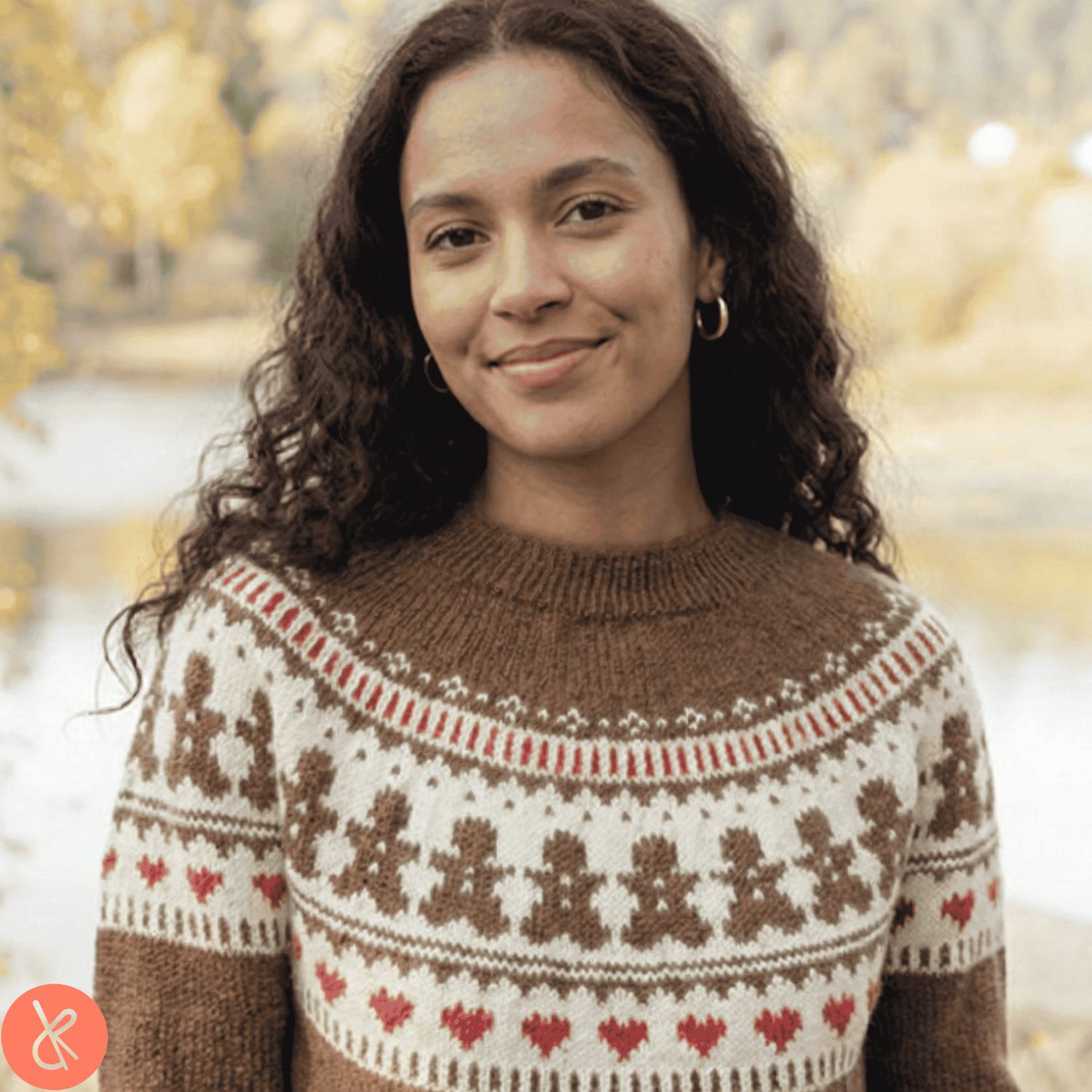
The Cookie Parade Sweater is a cozy, festive knitted sweater featuring a circular yoke and decorative colorwork. This project is worked top down, making it easy to adjust the fit as you knit. In this guide, you’ll find clear instructions, helpful tips, and an organized structure to help you successfully complete the sweater.
This Cookie Parade Sweater is ideal for knitters who already know basic techniques and want to practice garment construction, colorwork, and circular knitting.
Skill Level and Construction Overview
Skill level: Intermediate
Construction: Top-down, seamless
Techniques used:
- Knitting in the round
- Ribbing
- Increases and decreases
- Colorwork (stranded knitting)
- Short rows (optional for neck shaping)
The Cookie Parade Sweater begins at the neckline, continues through the yoke, then separates into body and sleeves.
Materials and Tools Needed
Before starting, gather all materials to ensure a smooth knitting process.
Yarn
Choose a warm wool blend yarn suitable for sweaters. A yarn similar to DROPS Lima works well because it offers warmth, durability, and stitch definition.
You will need:
- Main color (brown or chestnut tone)
- Contrast color (off-white)
- Accent color (red)
Exact quantities depend on the size you are knitting.
Needles
- Circular needles in two sizes (one for ribbing, one for main fabric)
- Double-pointed needles or short circular needles for sleeves
- Stitch markers
- Tapestry needle
- Scissors
Step 1: Knitting the Neckline
Start by casting on stitches using a smaller needle size. This helps create a neat and elastic neckline.
- Join stitches in the round, being careful not to twist
- Work a rib pattern (knit 1, purl 1) for a few centimeters
- This ribbed section ensures the neckline sits comfortably without stretching out
Once the ribbing is complete, switch to the larger needle size.
Step 2: Shaping the Yoke
The yoke is worked in stockinette stitch in the round.
Increasing Stitches
- Increase stitches evenly across the round
- Use yarn-over increases or your preferred invisible increase method
- Place markers at the beginning of the round and the front of the sweater
Optional Neck Shaping
To improve fit, short rows can be added at the back of the neck. This slightly raises the back neckline and makes the cookie Parade Sweater more comfortable to wear.
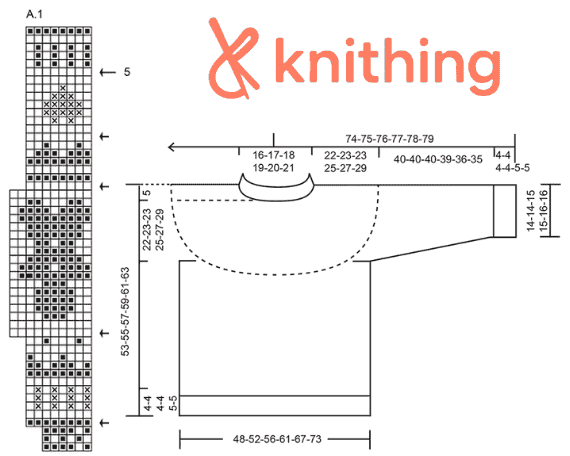
Step 3: Working the Colorwork Pattern
Once the yoke reaches the required depth, begin the decorative colorwork section.
Tips for Colorwork
- Keep floats loose to avoid puckering
- Spread stitches along the needle when changing colors
- Use a larger needle if your tension becomes tight
The pattern is worked in rounds, creating a festive design that wraps evenly around the sweater.
After completing the colorwork section, return to knitting with the main color only.
Step 4: Dividing the Body and Sleeves
When the yoke is finished:
- Knit across the back stitches
- Place sleeve stitches on holders or waste yarn
- Cast on additional stitches under each arm
- Continue knitting across the front and back stitches
At this stage, the sweater is divided into:
- Body stitches
- Two sleeve sections held aside
Step 5: Knitting the Body
The body is worked in the round using stockinette stitch.
- Knit straight until the body reaches your desired length
- You can easily customize the length here
- Once the length is reached, switch to smaller needles
Finishing the Hem
- Work ribbing (knit 1, purl 1)
- Bind off loosely to keep the hem stretchy and comfortable
Step 6: Knitting the Sleeves
Return the sleeve stitches to the needles.
- Pick up stitches under the arm
- Place a marker at the center under the sleeve
- Knit in the round using stockinette stitch
Sleeve Shaping
- Decrease stitches gradually near the underarm
- This creates a tapered sleeve shape
- Continue until the sleeve reaches wrist length
Finish with ribbing at the cuff and bind off loosely.
Repeat for the second sleeve.
Step 7: Finishing Touches
Once all knitting is complete:
- Weave in all loose ends
- Gently block the sweater to even out stitches
- Lay flat to dry
Blocking helps the colorwork relax and improves the overall shape.
Final Tips for Success
- Always check gauge before starting
- Try the sweater on as you knit
- Keep notes if you adjust length or fit
- Take your time with colorwork sections
Conclusion
The Cookie Parade Sweater is a rewarding knitting project that combines comfort, creativity, and classic techniques. With its top-down construction and seamless finish, it allows for easy customization and a polished final result.
By following these structured steps, you can confidently knit a sweater that is both stylish and practical—perfect for cold weather and festive seasons.
Frequently Asked Questions (FAQs)
Is the Cookie Parade Sweater suitable for beginners?
This sweater is best suited for intermediate knitters. Beginners who are comfortable knitting in the round, working ribbing, and following written instructions may attempt it, but prior experience with colorwork and increases is recommended.
Can I knit this sweater without using colorwork?
Yes, the sweater can be knitted in a single color. If you choose to skip the colorwork section, simply continue knitting the yoke in stockinette stitch while keeping the same stitch count and shaping.
What type of yarn works best for this sweater?
A wool or wool-blend yarn with good stitch definition is ideal. Yarn similar to DROPS Lima provides warmth, structure, and durability. Avoid overly slippery or stretchy yarns, as they may affect fit and tension.
How do I choose the correct size?
Measure your chest circumference and select a size with positive ease (a few centimeters larger than your body measurement). Because the sweater is worked top down, you can try it on during knitting to ensure a comfortable fit.
Can I adjust the length of the body or sleeves?
Yes. One of the advantages of top-down construction is easy customization. You can knit the body and sleeves longer or shorter by adding or removing rounds before starting the ribbing sections.
Why does my colorwork feel tight?
Colorwork often tightens the fabric due to short floats at the back. To prevent this:
- Keep floats loose
- Spread stitches along the needle
- Consider using a slightly larger needle during the colorwork section
Do I need to use short rows for the neckline?
Short rows are optional but recommended. They raise the back neckline, improving comfort and fit. If you prefer a simpler construction, the sweater can still be knitted without short rows.
What is the best way to block the finished sweater?
Gently wet block the sweater by soaking it in lukewarm water, then lay it flat to dry. Avoid hanging, as this can stretch the fabric. Blocking helps even out stitches and relax the colorwork.
Can I knit this sweater using circular needles only?
Yes. The entire sweater can be knitted using the magic loop method, which allows you to work sleeves and the body without switching to double-pointed needles.
How long does it take to knit this sweater?
The time varies depending on experience and knitting speed. On average, an intermediate knitter may complete the project in 2 to 4 weeks of regular knitting.
Is this sweater suitable for everyday wear?
Yes. With proper yarn choice and care, this sweater is durable and comfortable enough for regular winter wear while still having a decorative, handmade look.
SEO Bonus Tip for Knithing.com
You can enhance search visibility by marking this section with FAQ schema in WordPress (using plugins like Rank Math or Yoast). This increases the chance of appearing in Google’s rich results.
Click here can knit more things with us